
How Art Psychotherapy Is Different From Talk Therapy
Why Creativity Can Access Emotions Words Can’t: Exploring This Together at Ay Up Georgina Art Psychotherapy in Nottingham City Centre.
How Art Psychotherapy Is Different From Talk Therapy
If you’ve ever wondered how art psychotherapy differs from traditional talk therapy, this post is for you! On the surface, both happen in a calm, supported space where you’re invited to explore your feelings and experiences. But the way the work unfolds can feel very different.
Art psychotherapy brings in another layer—your body, your senses, your creativity—so you’re not limited to words alone. And for many people, that’s where something really meaningful begins to shift.
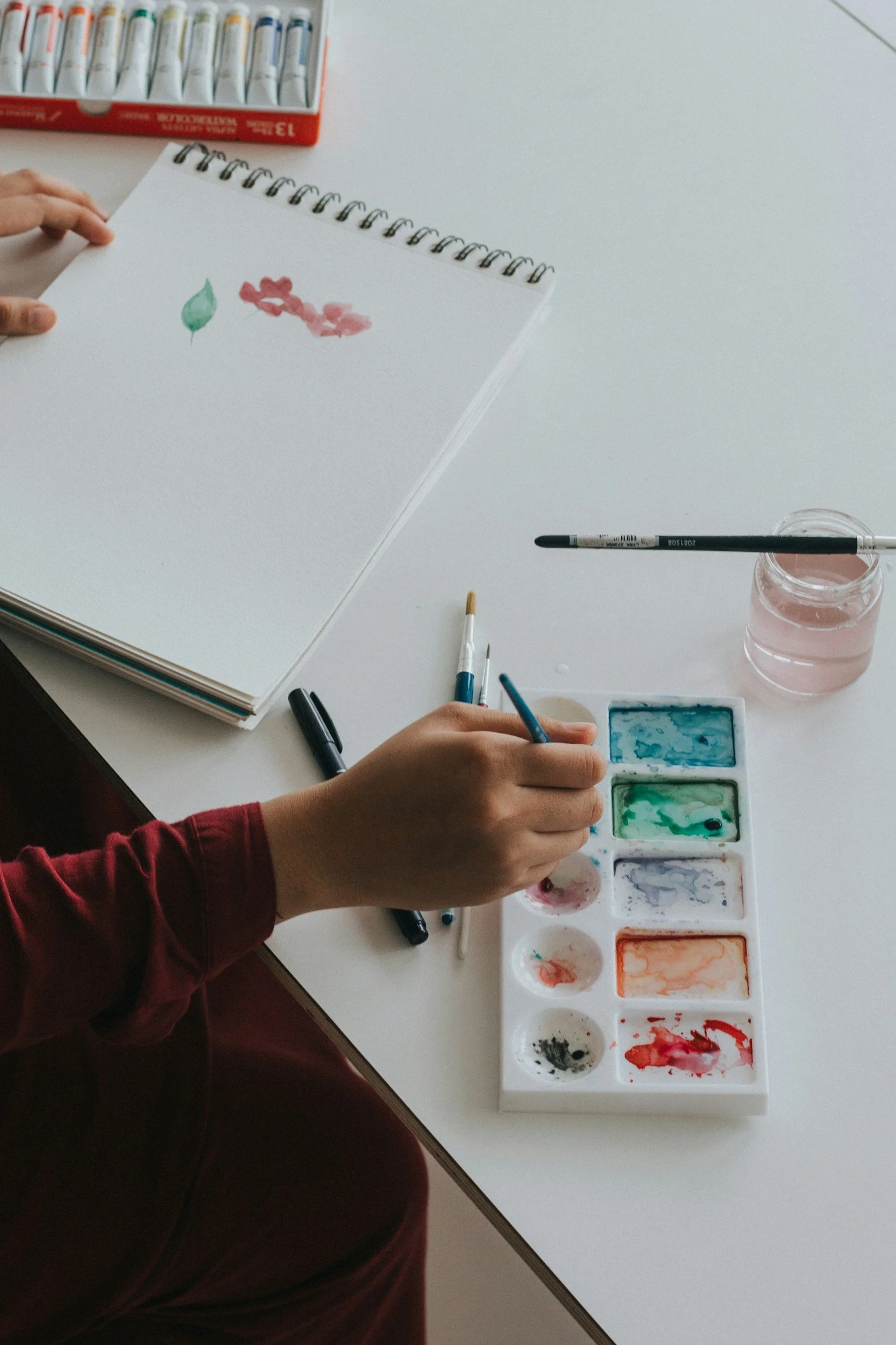
Talk Therapy Works “Top-Down”
Talk therapy usually focuses on thinking and talking things through—what’s often called a top-down approach. You use language, insight, reflection, and conversation to process what’s going on.
This can be incredibly helpful, especially if:
you like talking things out
you’re comfortable reflecting verbally
you’re seeking clarity or cognitive understanding
But sometimes, words can only take us so far.
Sometimes we don’t have the words yet.
And sometimes the body remembers things long before the mind catches up.
That’s where art psychotherapy offers something different.
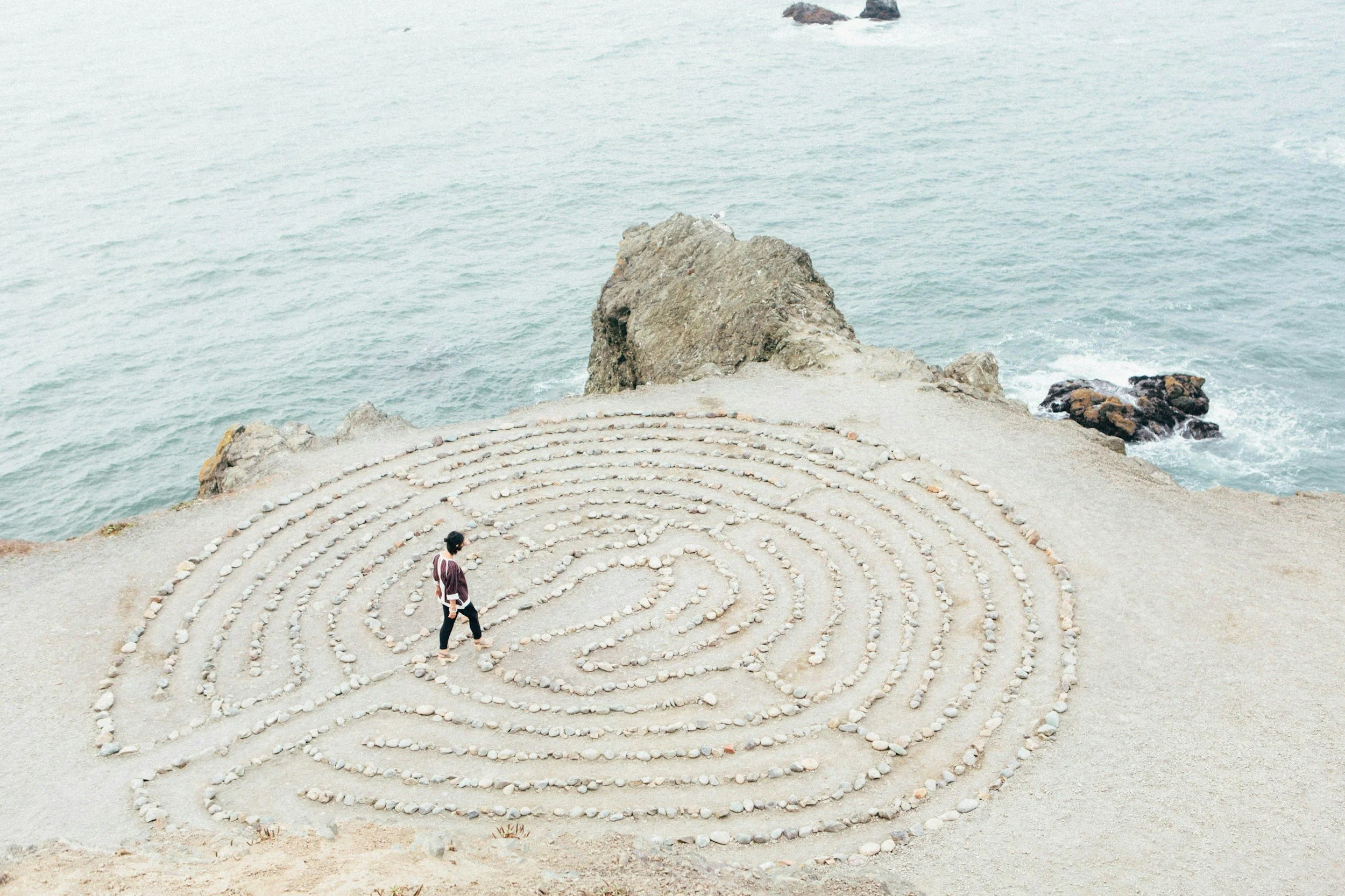
Art Psychotherapy Works “Bottom-Up”
In art psychotherapy, we still talk—but we don’t solely rely only on talking.
The creative process itself becomes part of the therapy.
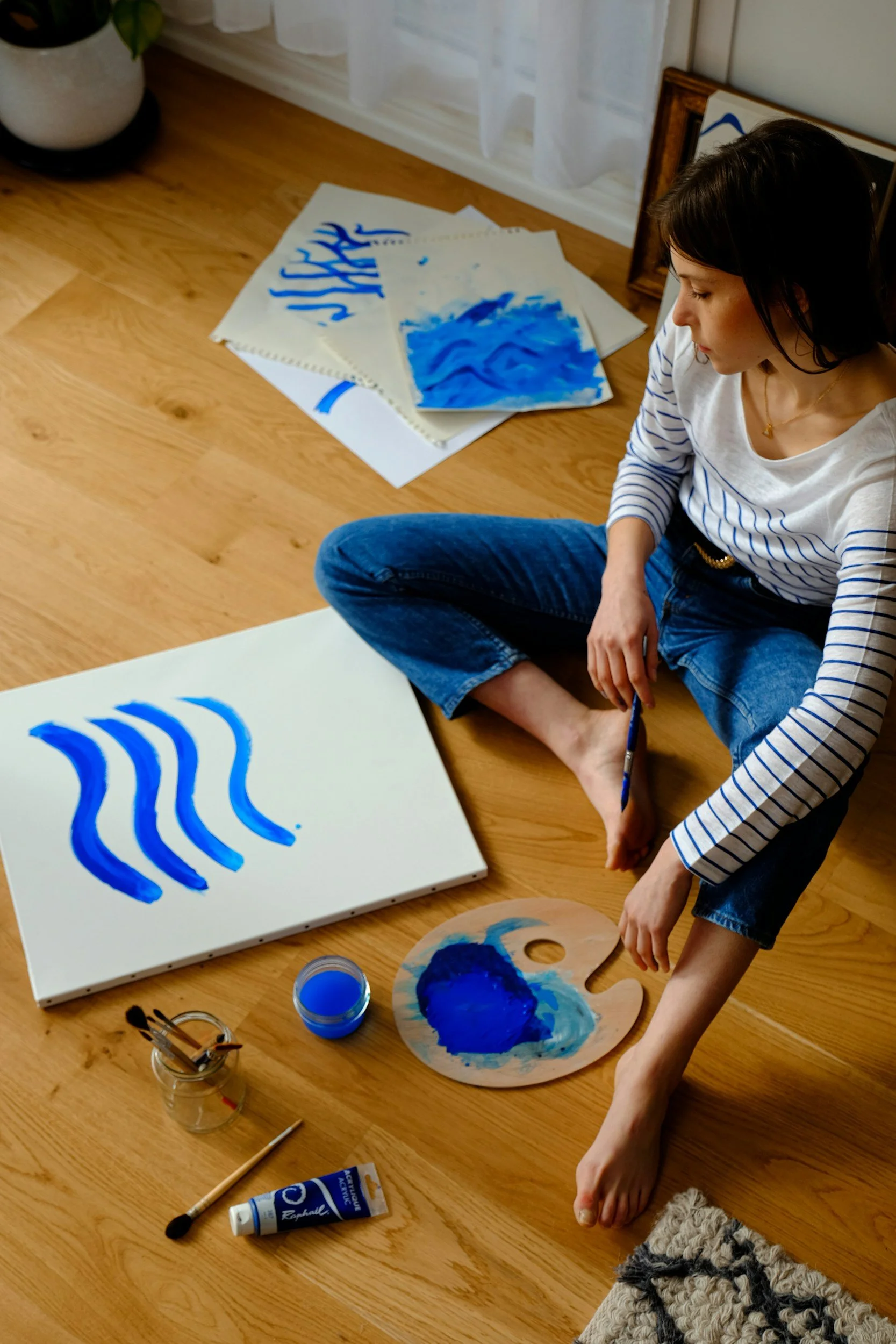
This is considered a bottom-up approach because it works with the body, senses, nervous system, and emotions directly, rather than only through thinking/cognitively. Artmaking can become a safe way to bring you into your body and regulate or express emotions and your nervous system. You may find that through art therapy making art becomes a way to check in with yourself and see what materials you feel drawn to whether they are more resistive materials like crayons or clay, or more fluid materials like painting. This supports your needs in a holistic way.
Instead of trying to explain an experience, you can:
draw it
paint the feeling
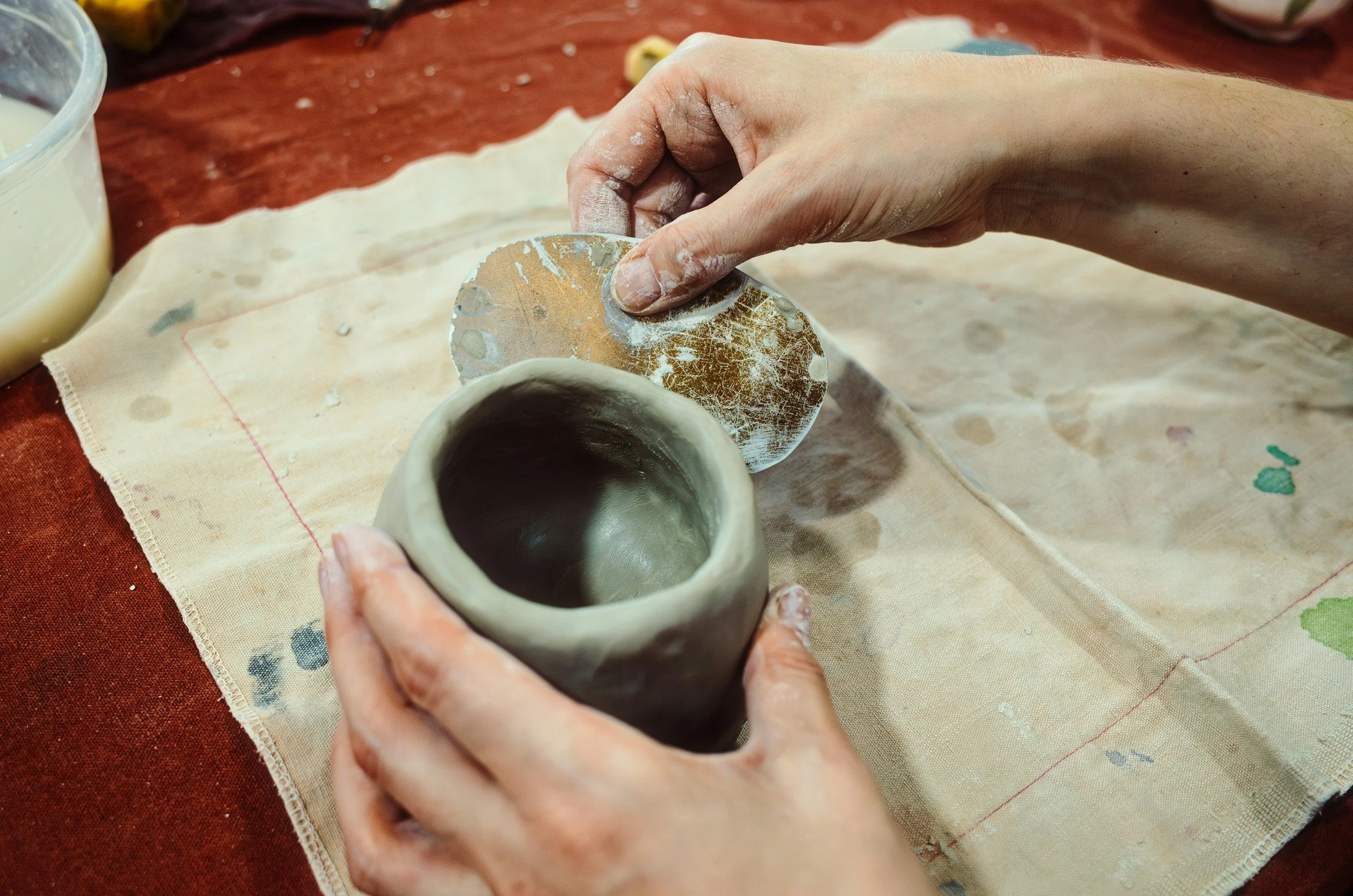
shape something with clay
choose colours or textures that match your internal world
create freely and see what emerges
Doodle or create alongside talking
Every client accesses the space and materials in a unique way.
There is no right or wrong way to make art in art therapy and how you create may differ from session to session!
Art therapy work may also differ from art you have made previously as it’s more about the process of making.
Art can also be a safe way to check in with yourself and your needs and becomes naturally reflective of how you are feeling or what you need.
The art therapist is there to support you through this process.
The art becomes a bridge—a way into feelings that are hard to articulate or even hard to recognise.
You don’t have to decide what to say or how to say it.
You simply begin, and the process reveals things gently, at your own pace. You may make intuitively and find the artwork is reflective of our conversation naturally, or is fulfilling a somatic need.
Why This Matters
Some emotions live beyond words.
Some experiences get held in the body.
Some memories are stored more as sensations or images than as clear stories.
Art psychotherapy allows you to access these layers without needing everything to be neat and verbal. You can express what feels tangled, stuck, or overwhelming in a way that feels safer and more natural.
For many people, this is where the deep work truly begins—not by talking around the feeling, but by meeting it directly through colour, shape, movement, and texture.
It’s Not About Creating “Good” Art
You don’t need to be artistic at all. Truly.
The artwork isn’t judged or analysed for skill.
It’s explored for the meaning it holds for you, and how the process of making is supporting you.
Sometimes the art is messy and free flowing.
Sometimes it’s controlled and intentional.
Sometimes it’s abstract or sensory based.
All of that is welcome.
All of that has value.
The Nervous System Gets Involved
One of the most powerful elements of art psychotherapy is that it naturally supports nervous system regulation.
Through sensory materials—like soft pastels, clay, paint, or textured paper—you can:
soothe a dysregulated system
reconnect with your body
release emotions
ground your body
find calm through rhythm and repetition
This embodied way of working can feel incredibly supportive, especially for trauma, anxiety, or overwhelming emotions.
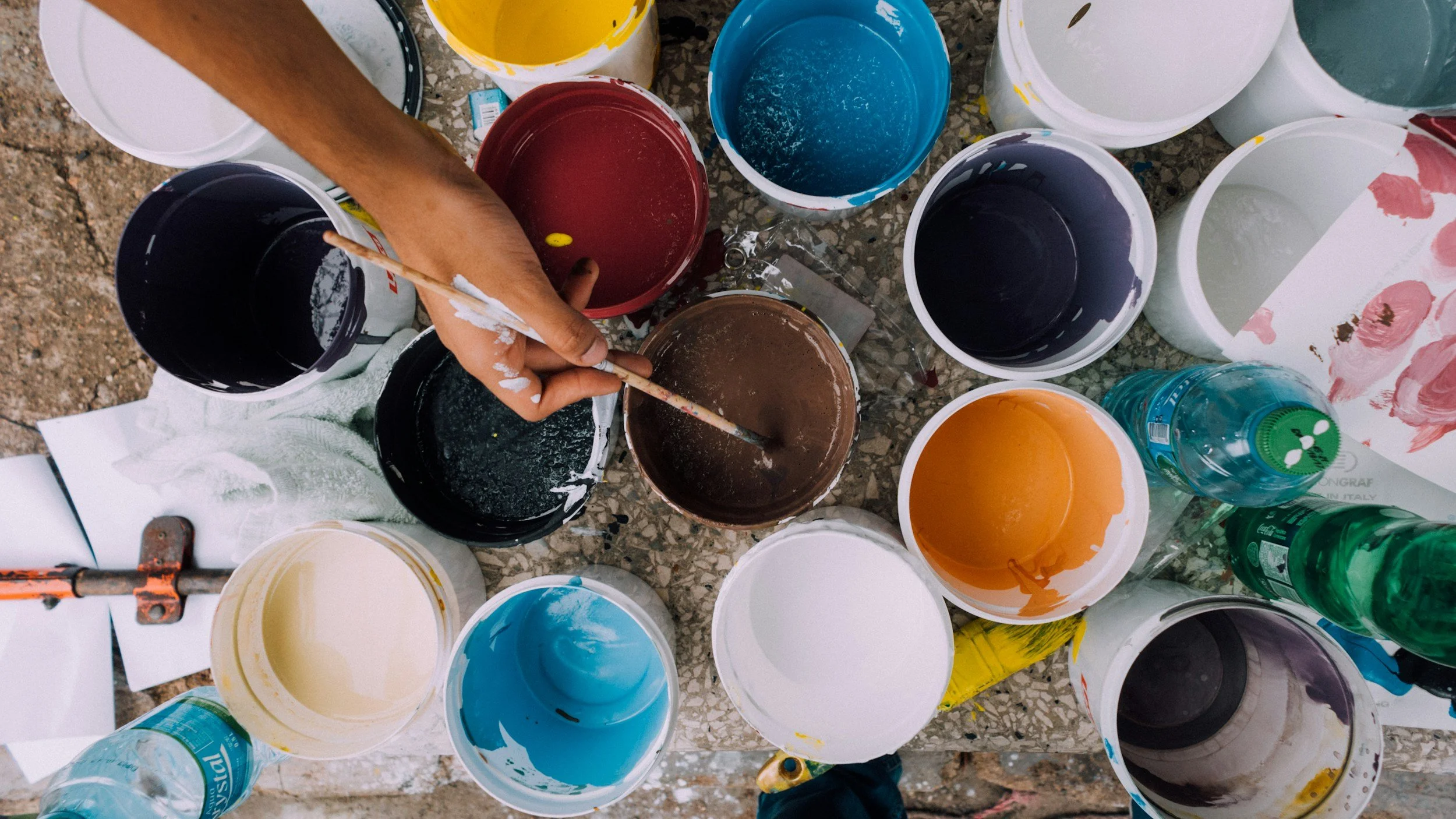
The Artwork Helps Hold the Story
In talk therapy, everything is spoken and then held in the space between two people.
In art psychotherapy, the artwork becomes a kind of anchor.
It’s something you can look at, return to, reflect on, or build on over time.
It holds what you may not be ready to verbalise yet.
It also allows insights to surface in surprising and gentle ways, often without force or pressure.
A Different Kind of Relationship
Art psychotherapy includes everything you might expect from talk therapy—empathy, attunement, support, and a trusted therapeutic relationship—but it adds the artwork as a third element in the room.
This can make complicated feelings feel safer, because:
you don’t always have to look the therapist in the eye
the focus can shift to the artwork
vulnerability can be expressed through the art, not only words
art making helps you feel grounded in the session
For many people, this creates a softer and more accessible way of opening up.
So Which One Is “Better”?
There’s no better or worse—just different approaches.
Talk therapy can be brilliant if you’re someone who likes to talk things through and make sense of your experiences verbally.
Art psychotherapy can be especially helpful if:
you find it hard to put feelings into words
talking alone feels overwhelming or not enough
you prefer to express yourself creatively
you feel stuck in intellectualising your emotions and don’t know what to do next
you want to work with emotions that live in the body or are interested in a more somatic form of therapy
you’ve experienced trauma
you feel stuck in traditional talk therapy
Ultimately, the best therapy is the one that feels right for you.

Ay Up Georgina - Art Psychotherapy studio in Nottingham City Centre