What kind of art do you make in Art Psychotherapy?
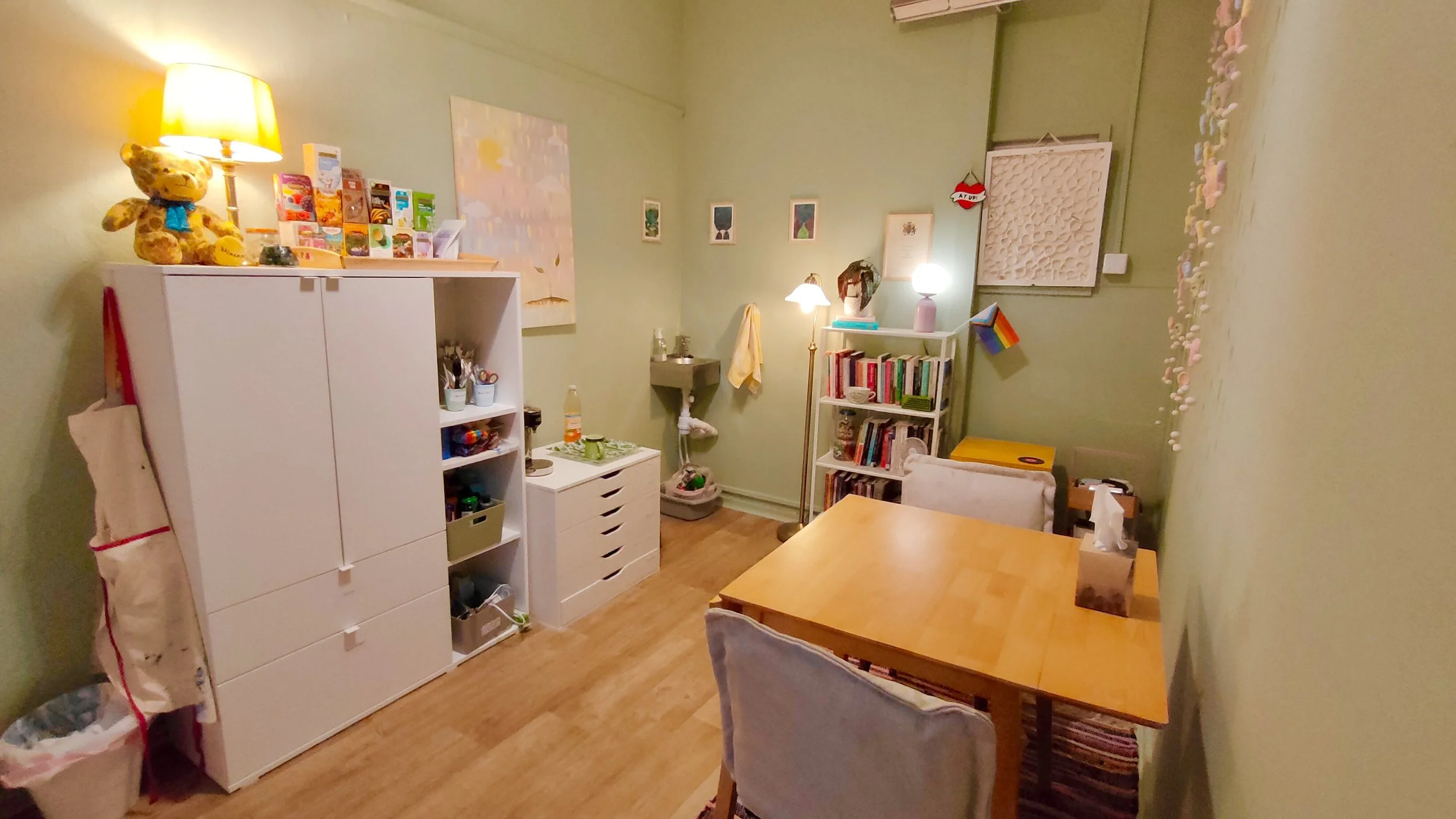
Art materials available and what kind of art you may make in art psychotherapy sessions with Ay Up Georgina - Art Psychotherapy in Nottingham city centre.
If you’re thinking about starting art psychotherapy or just curious about art psychotherapy, one of the most common questions is:
“What kind of art do you actually make?”
People often imagine they’ll be asked to paint something impressive, or that they’ll need to be “good at art” for the sessions to work.
But the reality is very different.
In art psychotherapy, the focus isn’t on making aesthetic artwork. Instead, art materials are used as tools to help explore thoughts, feelings and experiences that can sometimes be difficult to talk about.
You don’t need any artistic experience. And there’s no pressure to create something perfect. In fact making messy or imperfect art may be an important part of therapy!
The artwork becomes another way of expressing what’s going on internally or may be a nice way to help focus or ground yourself while talking about something challenging. Sometimes art may be used as a metaphor for how we are feeling or what we are thinking about other times it is just nice to be able to create while talking as it eases our anxiety. However we create in therapy our art often reflects or mirrors what we are discussing within our session with or without intention.
There is no right or wrong way to create in art therapy and everyone approaches artmaking in a unique way. You may find if you are creative outside of the therapy space, the art you make in therapy is different to what you may make outside of therapy.
Every art therapist has different materials and may run their practice differently with different materials available.
I am writing this blog about what I have available in my practice and what kind of work I have experienced being made within my practice.
So what kinds of art materials might you come across in an art psychotherapy session — and then what?

Drawing
Drawing is often the most familiar place to start for most clients. I find that majority of my clients start making with something that feels most familiar and comfortable to them. This can be helpful when starting your therapy journey as often people feel nervous or anxious when starting therapy. By choosing a material familiar to you, it may help you feel grounded and more comfortable within your session. You are welcome to use any material at any time in art therapy but I find most clients start with what feels most safe to them, which usually is drawing materials.
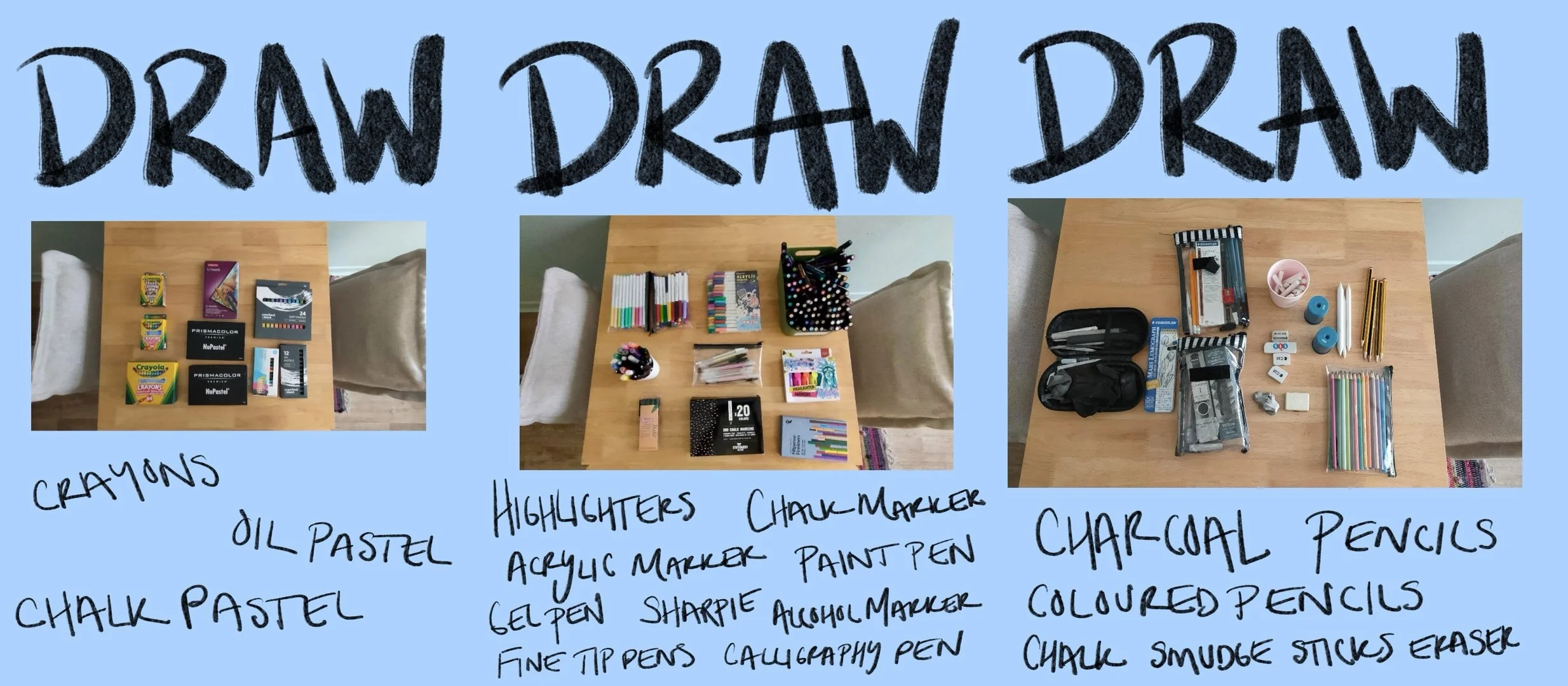
In sessions you might use materials such as:
pencils
crayons
markers
coloured pencils
pens
oil pastels
chalk pastels
charcoal
Sometimes people draw images connected to something happening in their life. Other times the drawing might be more abstract – simple marks, colours or shapes that feel nice to make as a process rather than what it looks like.
There’s no right or wrong way to approach it.
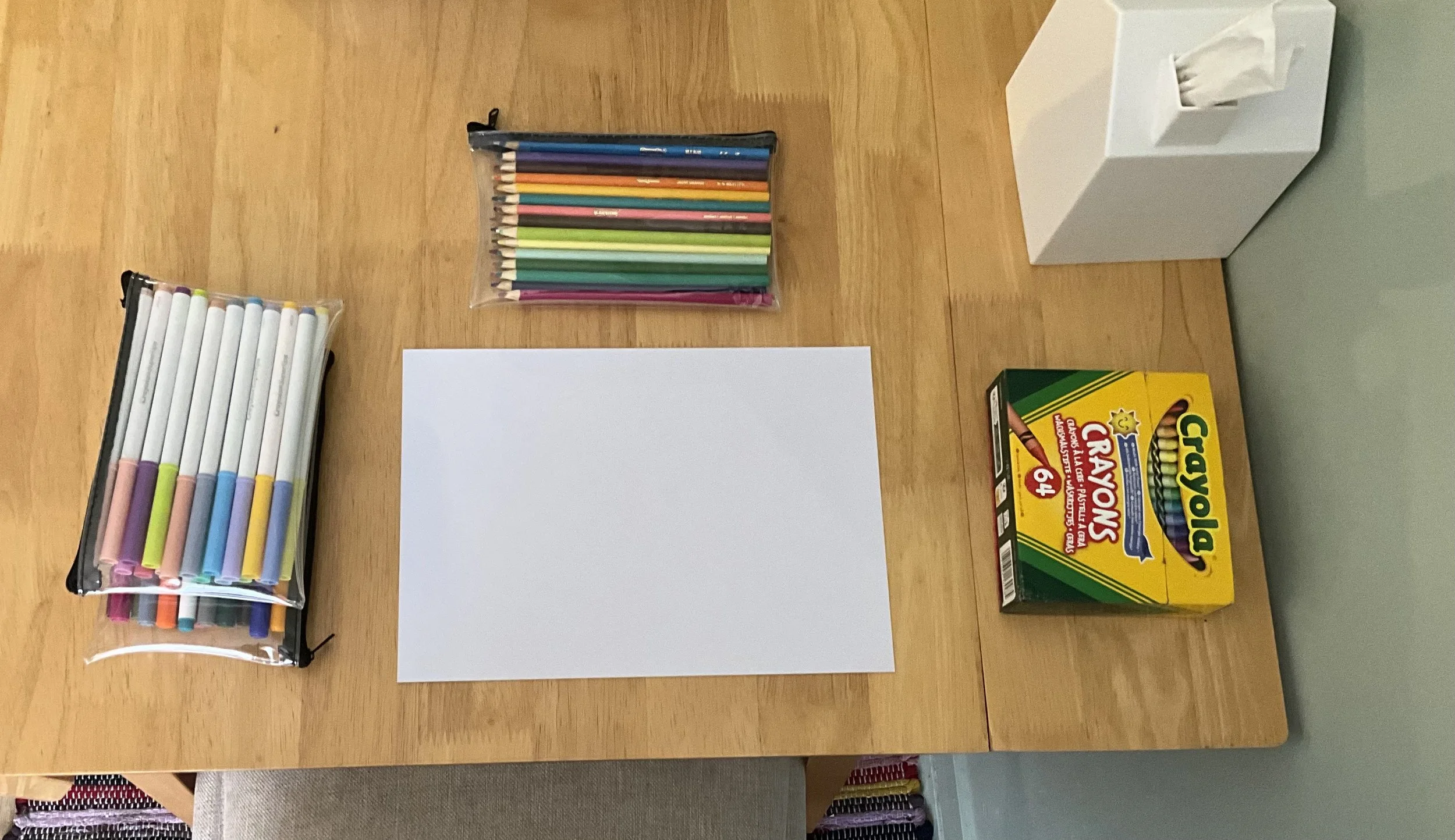
Here are the drawing materials I have available for sessions in Ay Up Georgina - Art Psychotherapy

Painting
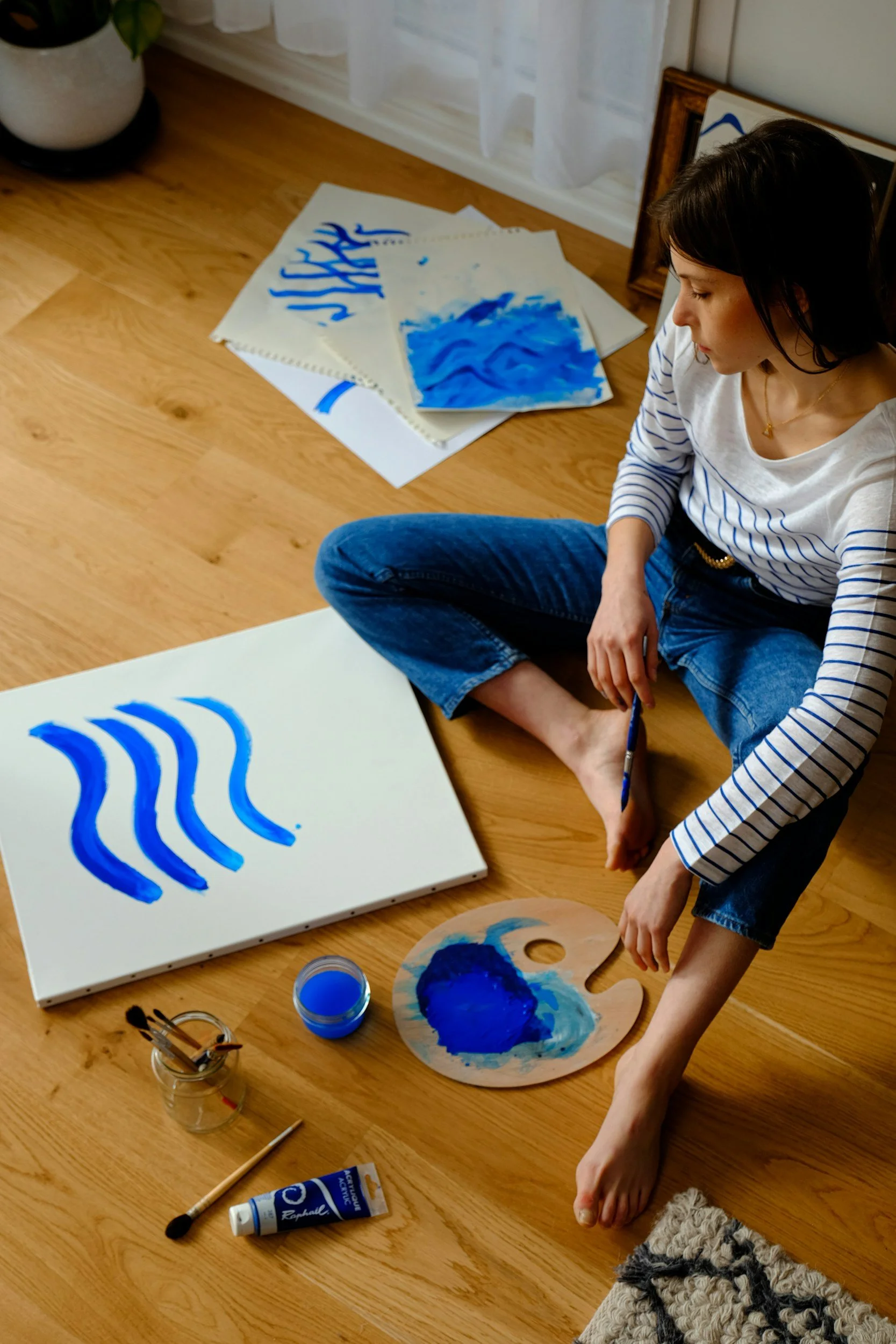
Paint can offer a different experience from drawing.
It can feel more fluid, expressive and sometimes a little unpredictable. Some people enjoy the freedom that comes with using colour and movement in this way, for others it may feel too uncontrolled.
Materials might include:
watercolour paints
gouache paint
inks
glitter paint
acrylic paints
spray bottles
squeegee
different sizes of brushes
sponges or other tools for applying paint
Painting (and all art making) can sometimes help people express emotions that are hard to put into words.
Here are the painting materials I have available for sessions in Ay Up Georgina - Art Psychotherapy


Paper and Materials to create on
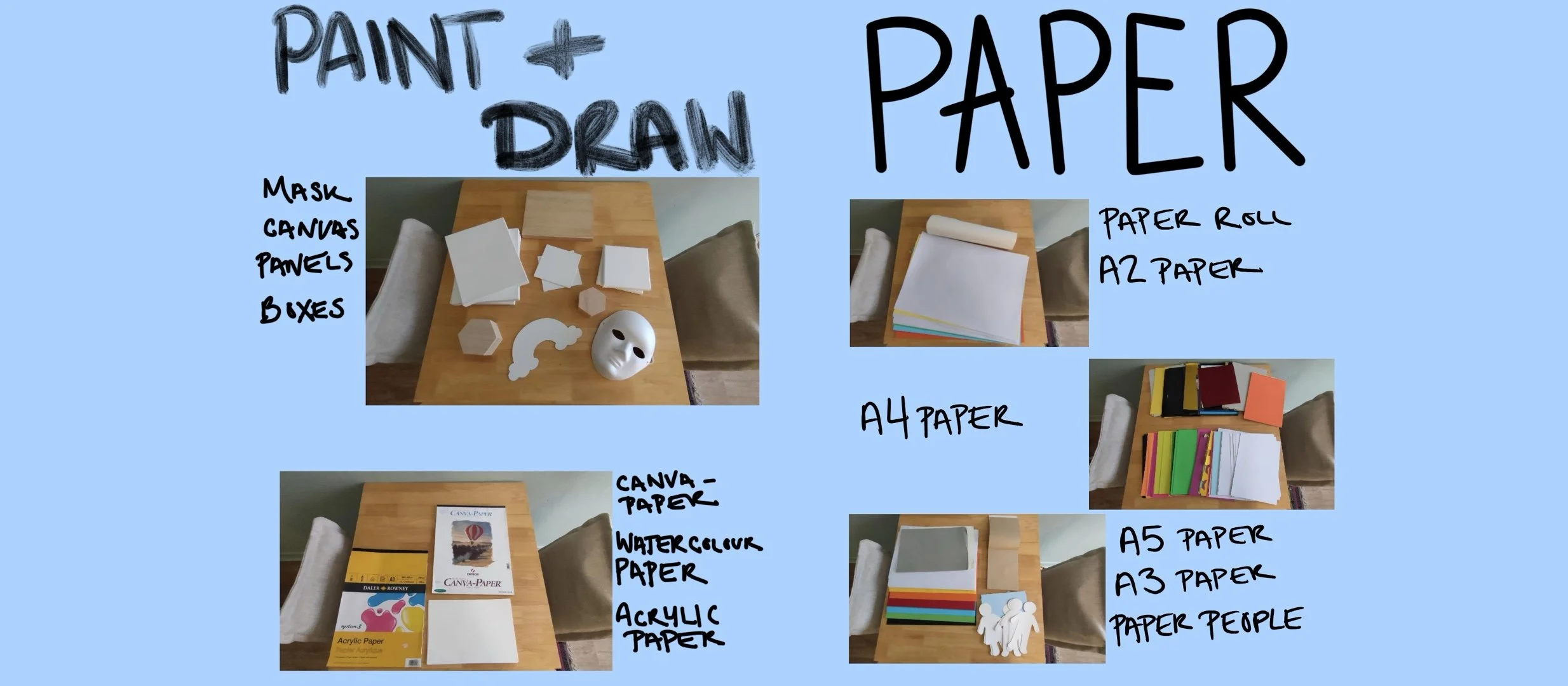
You may find a variety of things to paint or draw on such as:
variety of colours and sizes of paper
canva paper
acrylic and watercolour paper
paper rolls
masks
canvases
wood boxes
wood
panels
Here are the types of materials I have available for drawing or painting on for sessions in Ay Up Georgina - Art Psychotherapy

Clay and three-dimensional materials
This can be a very sensory, hands-on experience. Instead of making an image on paper, you’re shaping something physically with your hands.
If you have sensory sensitivities to clay, there are options such as foam clay that may be more enjoyable as they don’t stick to your hands.
You might:
roll it
press into it
build something
reshape it again
Other than clay I have other materials you can build or create 3D work with or create on
carboard
wood
jars
bubble wrap
wire
masks
canvases and panels
For some people, this kind of tactile process can feel grounding and calming.
Here are the clay and building materials I have available for sessions in Ay Up Georgina - Art Psychotherapy

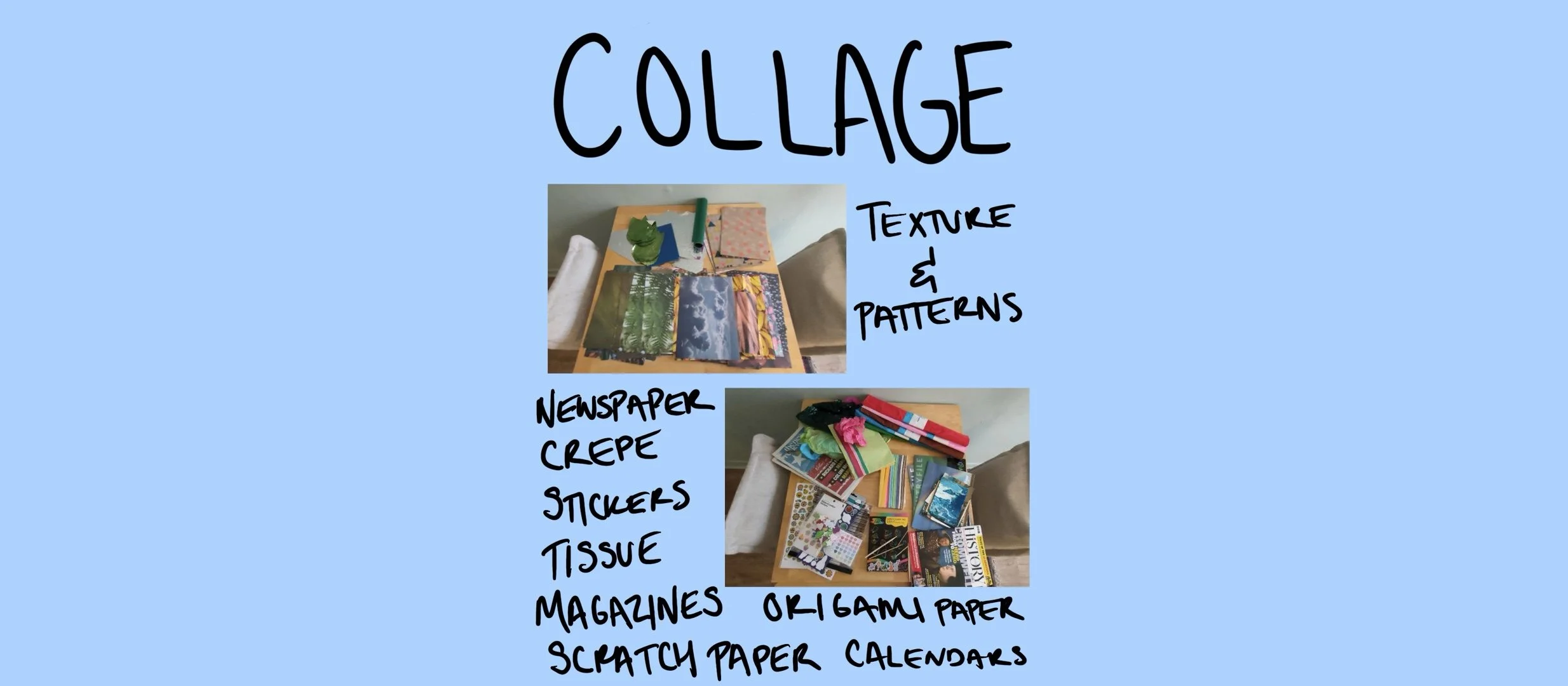
Collage
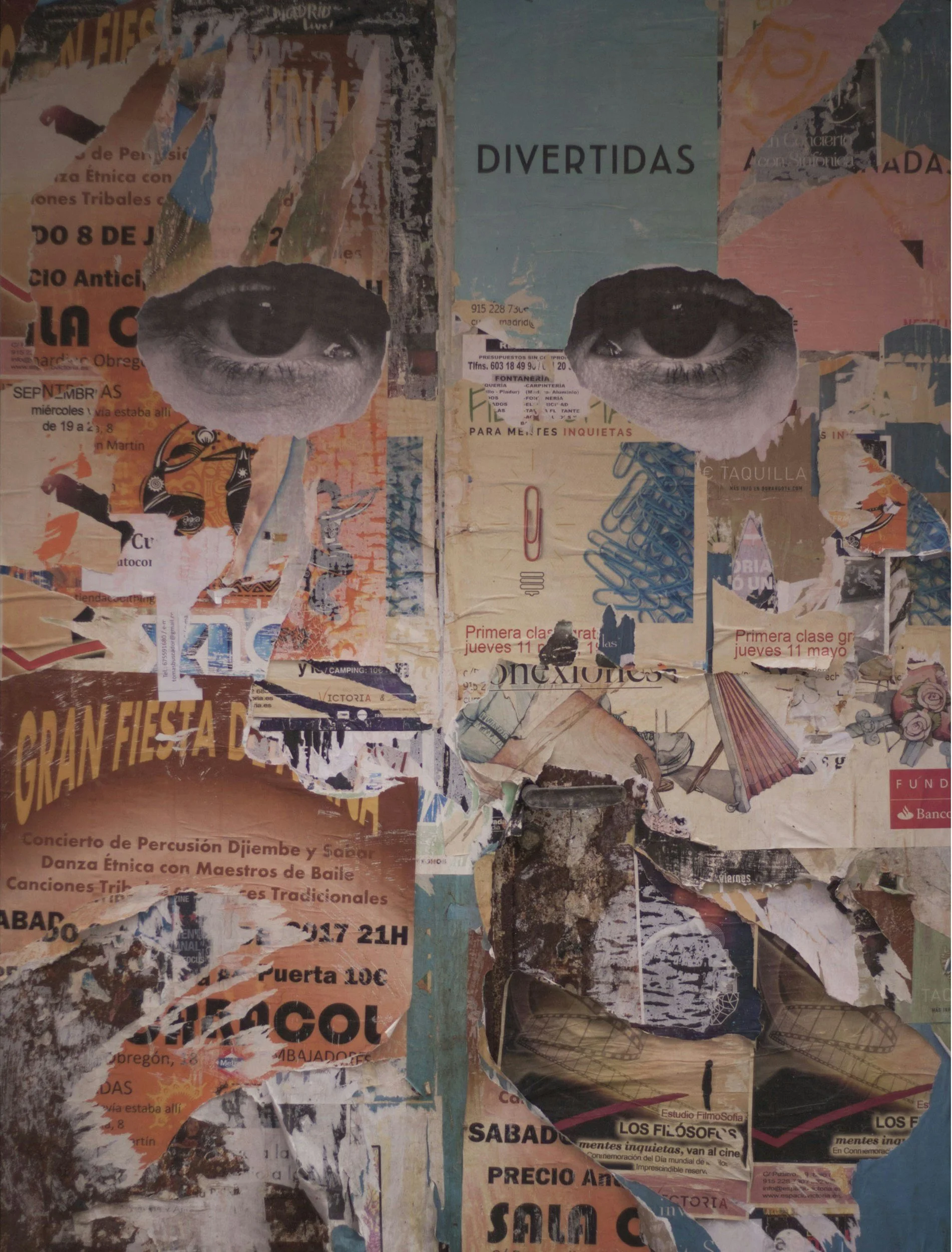
Collage is another material available in art psychotherapy.
This involves creating images using existing materials rather than drawing from scratch.
You might work with things like:
magazine images
photographs
coloured paper
textures or fabrics
words and phrases
washi tape
stickers
You can cut, tear and layer these materials to create something new.
Collage can be especially helpful if the idea of drawing feels intimidating, as it allows you to explore ideas and feelings in a different way.
Here are the collage materials I have available for sessions in Ay Up Georgina - Art Psychotherapy
Printmaking
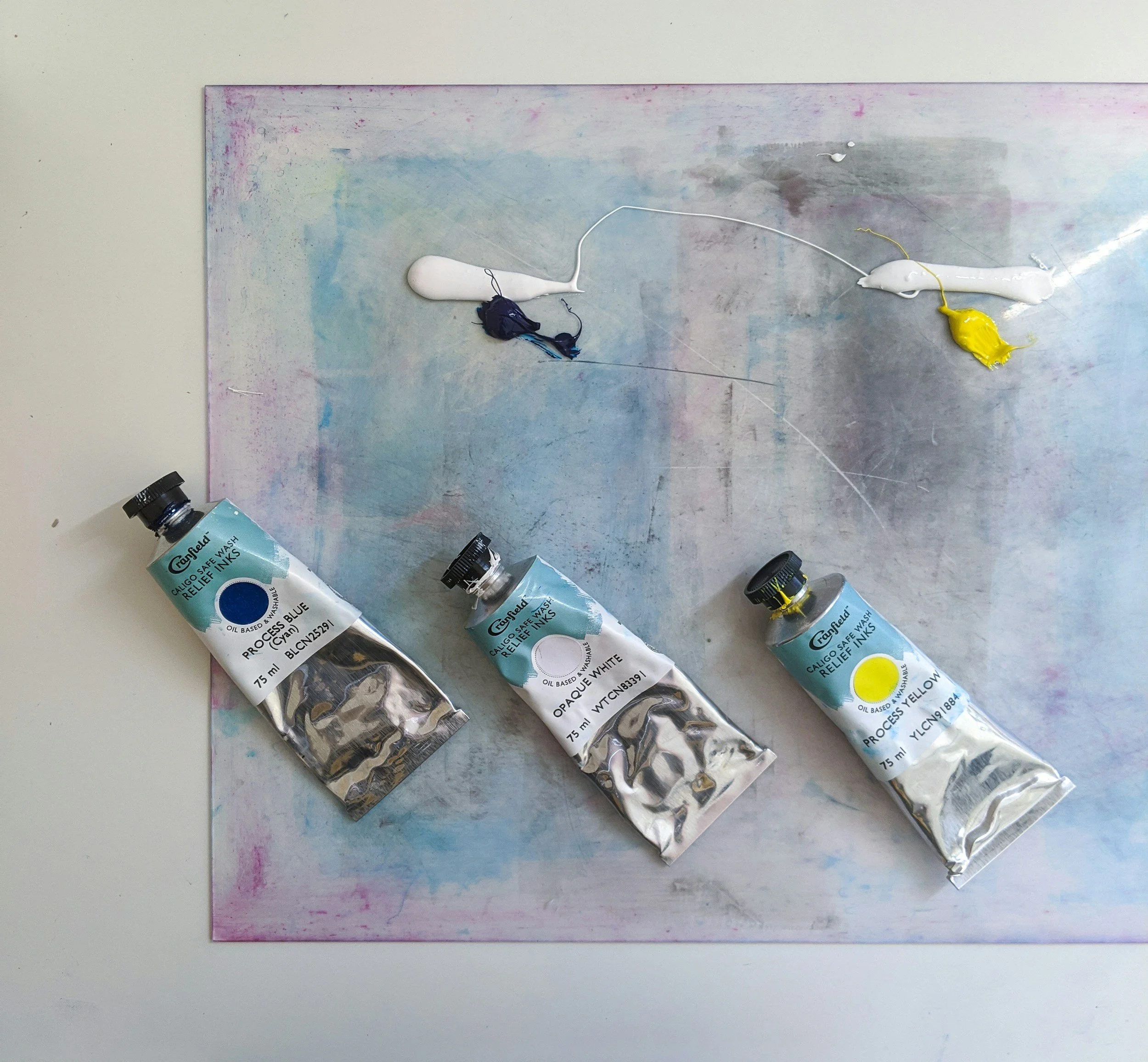
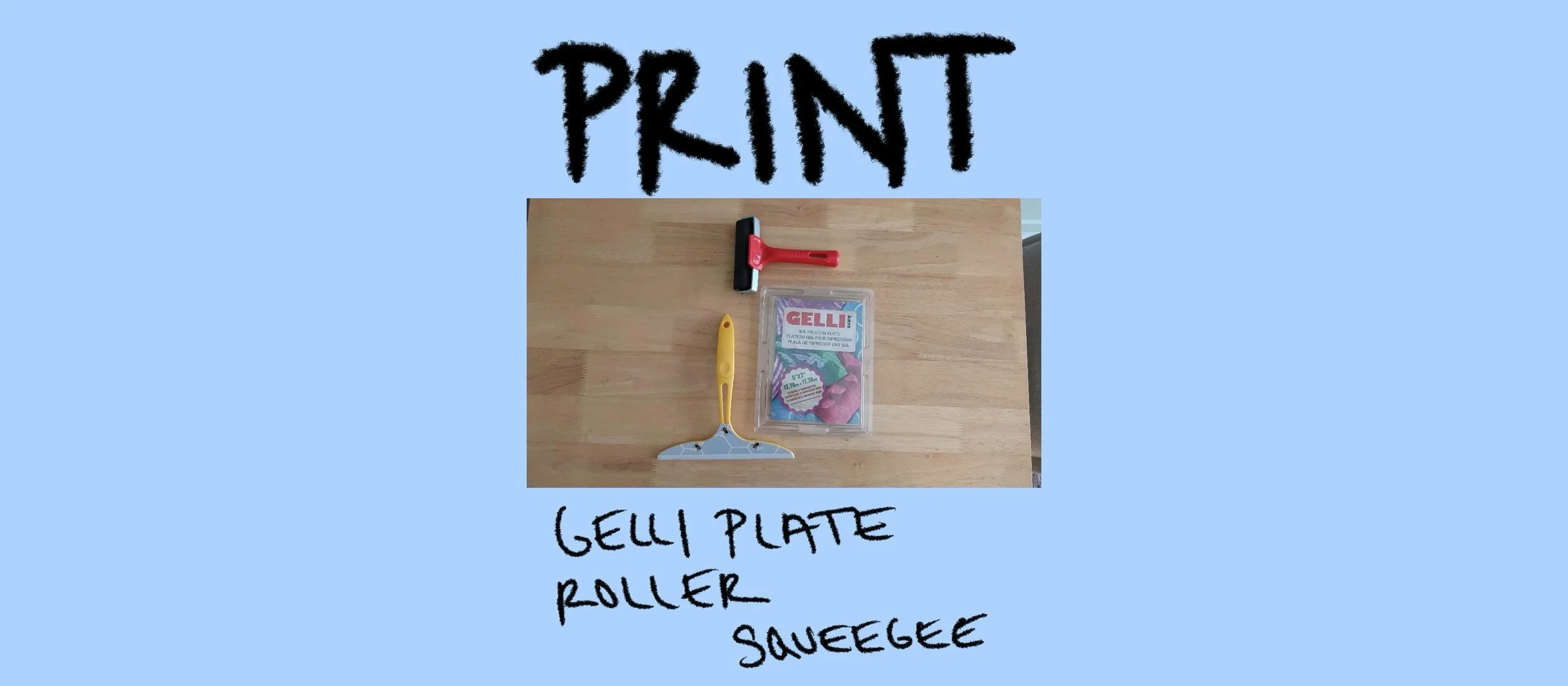
I have a gelli plate available for printmaking.
It can be used for impressions, layering, and much more!
You can layer different colours of paints, use magazines to make impressions on the plate and see what comes out at the end when you transfer it to paper!
Miscellaneous Materials
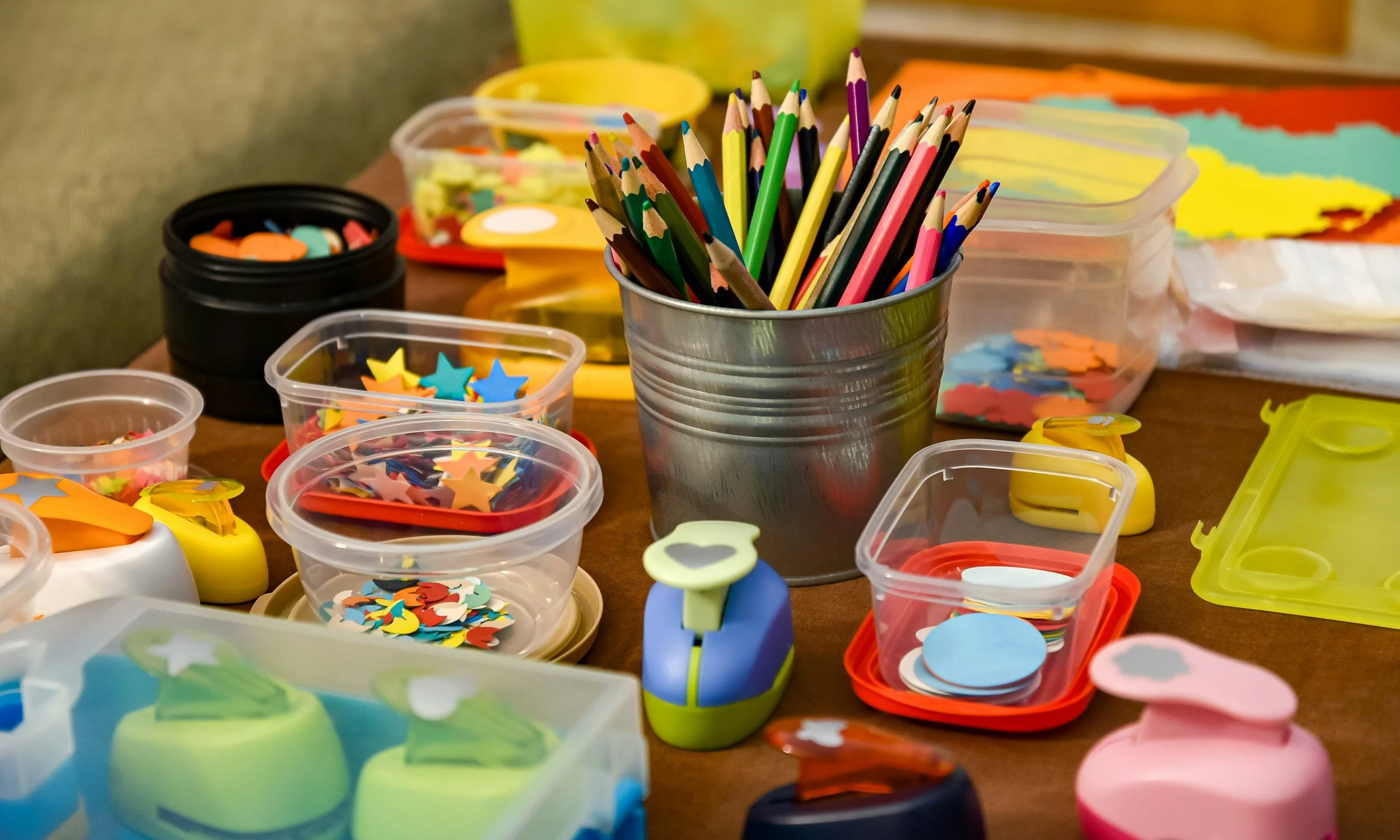
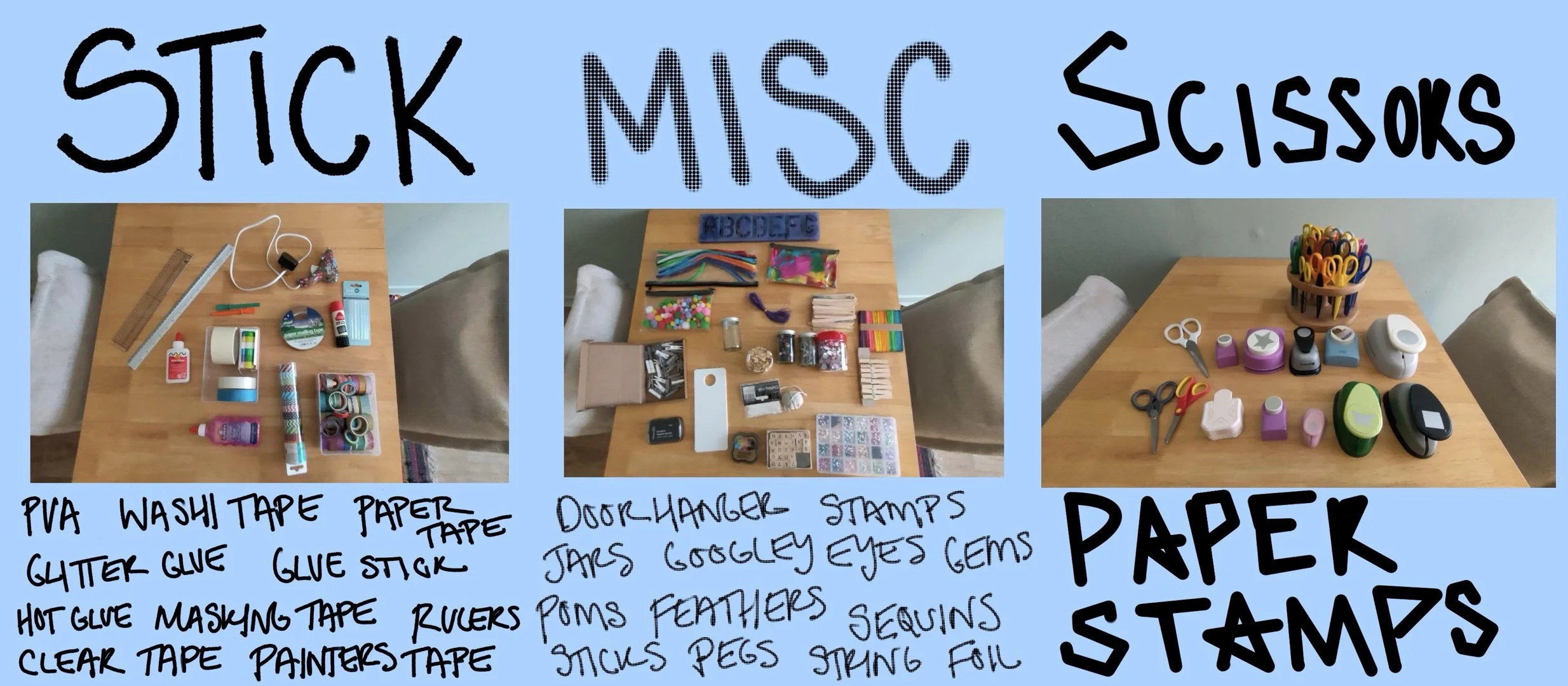
I have a wide range of misc materials that can be used in many different ways these include:
stamps
paper cutting stamps
patterned scissors
washi tape
googley eyes
pom poms
pipe cleaners
popsicle sticks
Here are the miscellaneous materials I have available for sessions in Ay Up Georgina - Art Psychotherapy
Repetitive or calming art making
Not every art activity in therapy needs to create a finished picture.
Sometimes the focus is simply on the process of making.
This might include:
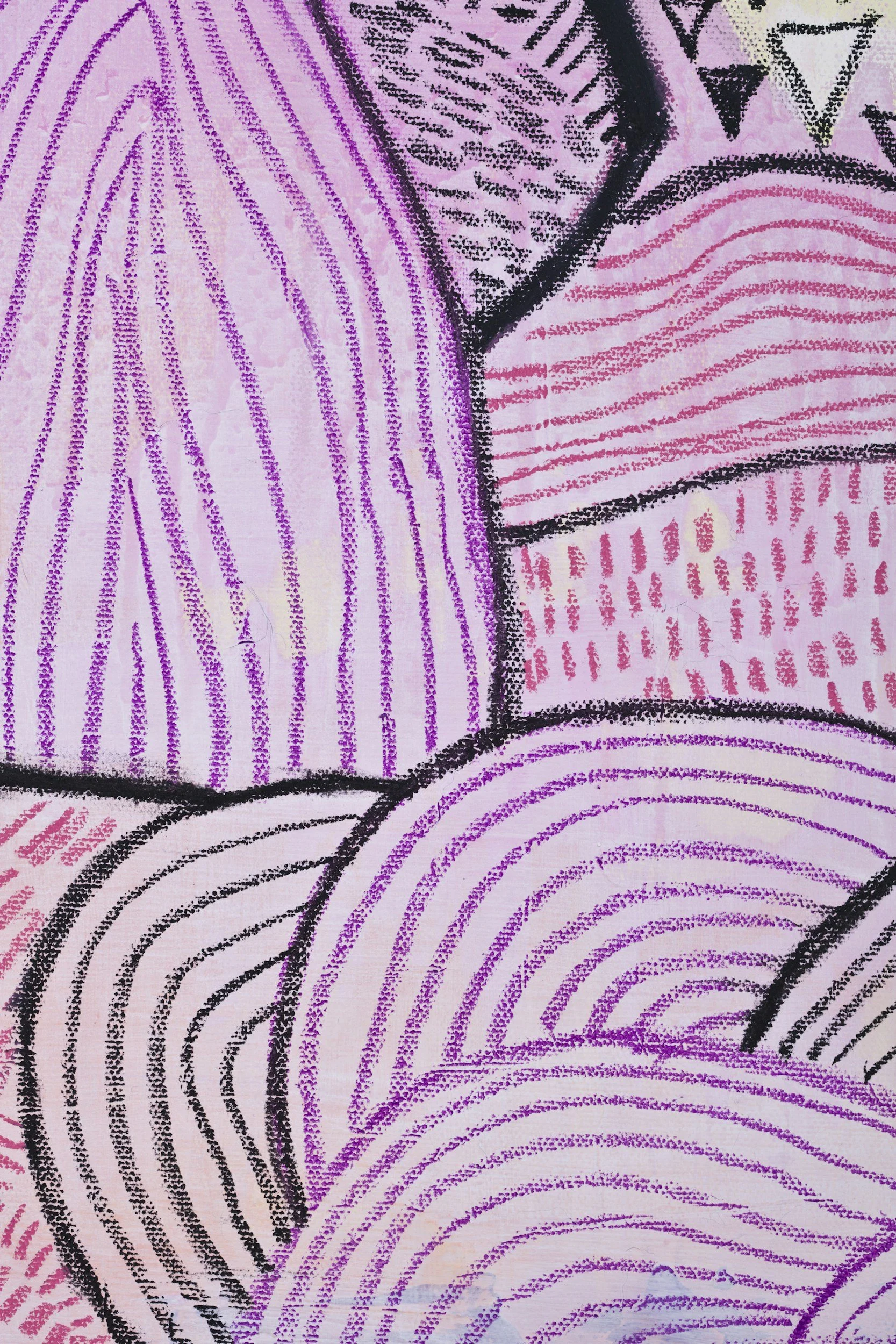
drawing repeating patterns
slow mark-making
blending colours together
creating circular or mandala-style shapes
These kinds of activities can help people slow down, relax and become more aware of what they are feeling in the moment, or support their nervous system through grounding through drawing.
Choosing materials in a session
In an art psychotherapy space, there are usually a variety of materials available.
Some clients like the wide variety of materials available and some clients may find all of the choices overwhelming, for these clients I offer a small range of materials that they like making with on the table at the beginning of the session.
I like to use choosing materials as a safe way for clients to check in with themselves and see what they feel drawn to (pun intended). It can be a good opportunity to see what would feel nice to use in that moment and what you may need at that time. By using this as an opportunity to check in with ourselves it can help form good habits around seeing what you need and what would support your wellbeing inside and outside of the therapy space.
Clients are welcome to choose whatever materials they want to use at any point in time. Some people prefer structured materials like pencils, while others are drawn to more fluid materials like paint and it can change session to session depending on what you feel you want or need in that session.
There is no expectation to use everything or anything at all! Art making in therapy is always an invitation, not an expectation, and you may have a session(s) where you don’t feel like making anything that day, and that is okay too!
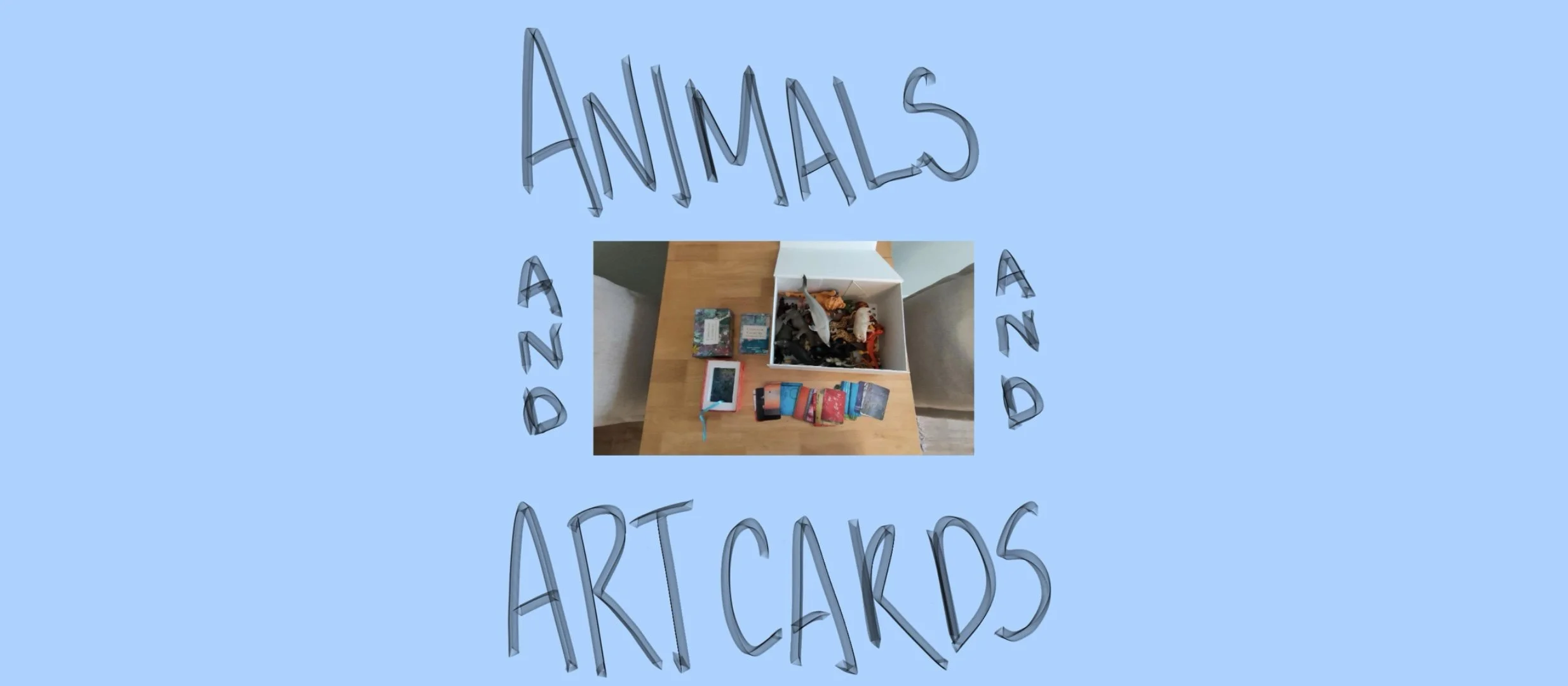
Or if you are wanting to make an image without using materials or think in a more abstract way about something I have art cards and animals that can be used for these moments where you want an image but don’t want to create one yourself.
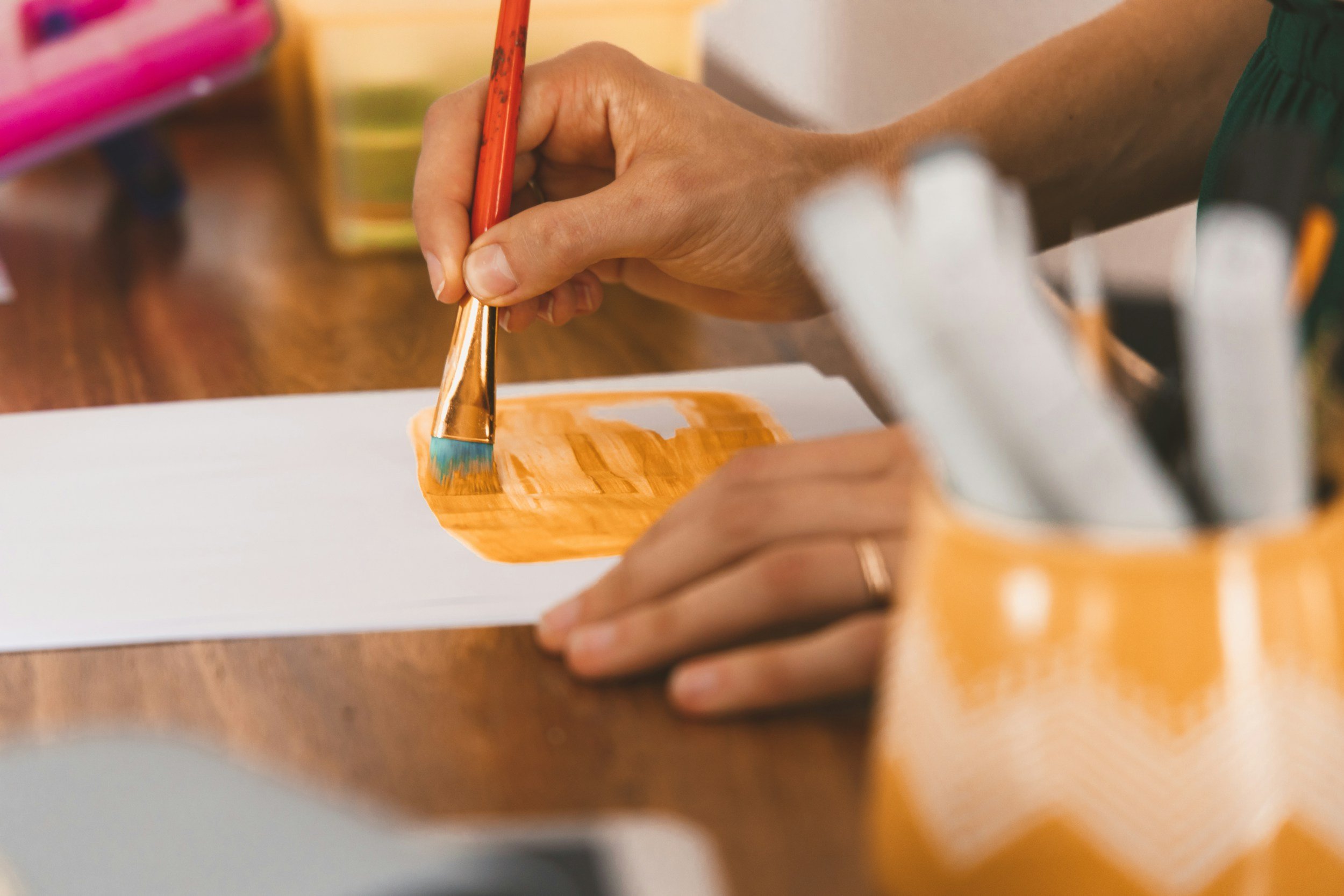
The art is never judged
One of the most important things to know about art psychotherapy is this:
Your artwork is never judged.
The focus isn’t on creating something that looks good or technically skilled.
Instead, the artwork becomes something that can help you explore your inner world.
Sometimes we might gently reflect together on what it was like to make the image, or what we notice when looking at it.
But the meaning of the artwork always belongs to you.
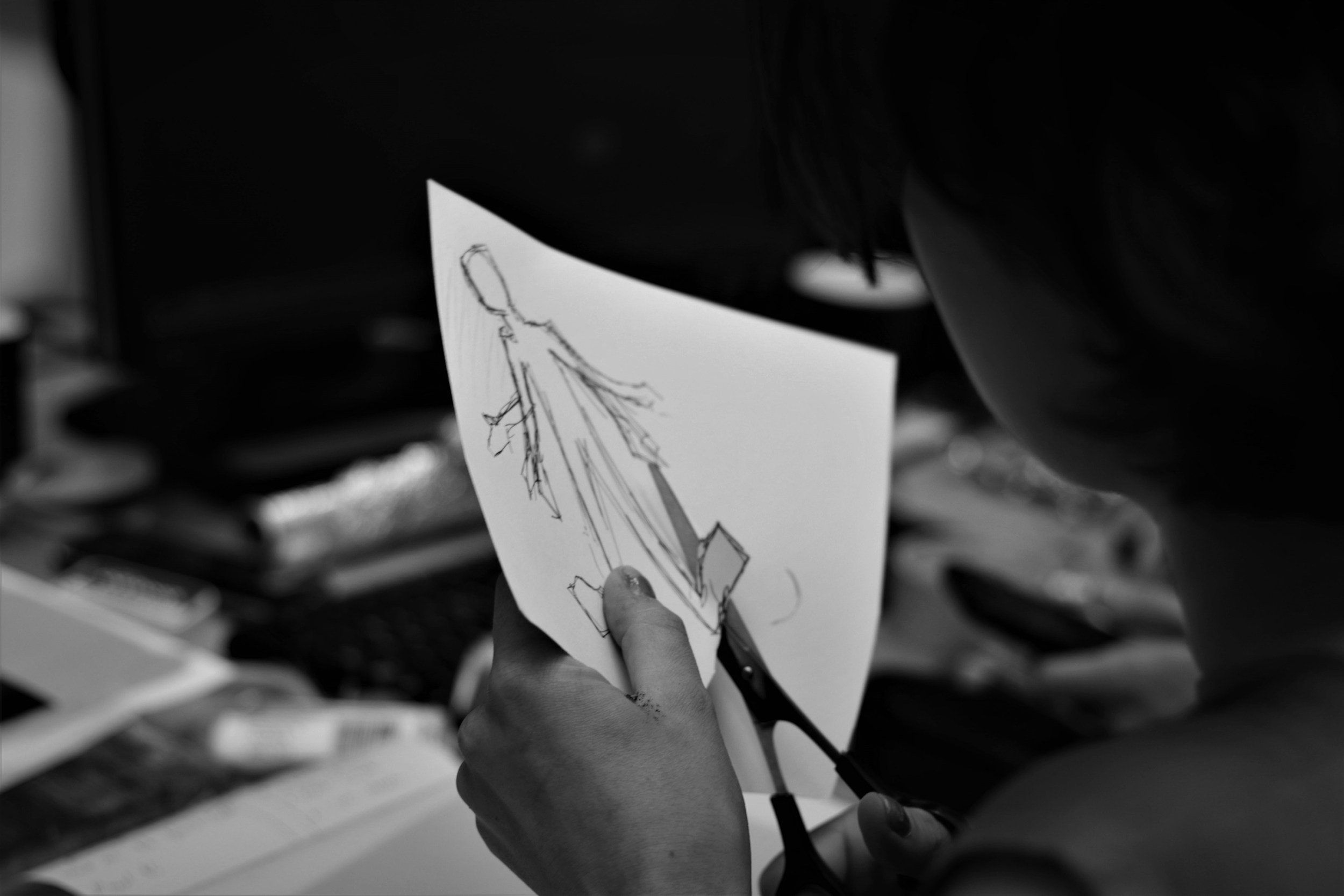
Somatic Healing
Because you are using your body to create artwork in art therapy, art making can support processing emotions on a physical level creating a more holistic form of healing as it accesses both body and mind. This is helpful as it processes emotions in our bodies as well as in our minds. Using materials can ground us in the space and soothe our anxiety. Art making releases emotions and can help us process what we are working through.
A great and powerful example of this is quashing clay when angry and putting your anger into the clay, therefore releasing anger from your body.
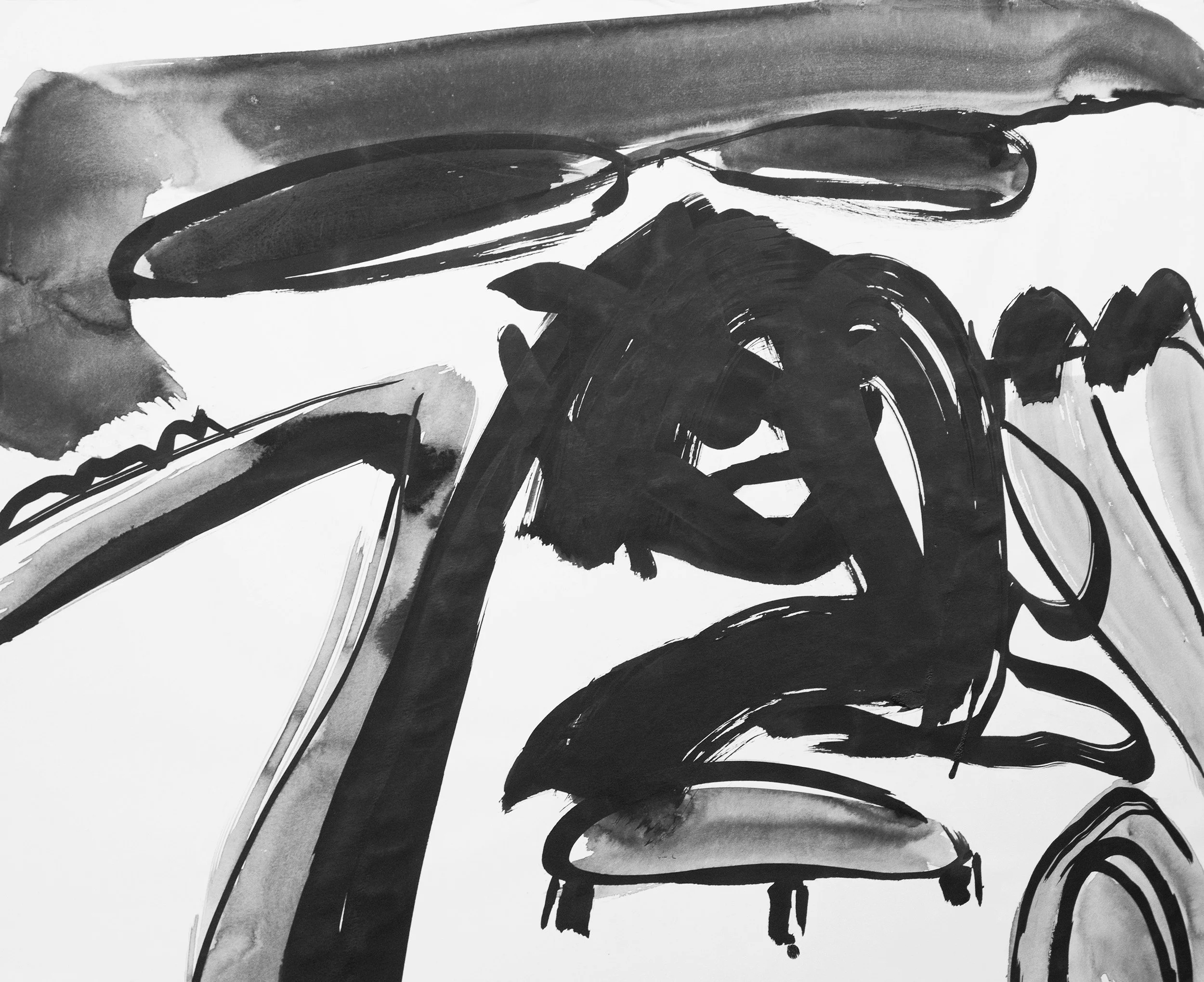
Art as a container
The art made in art therapy often can hold difficult emotions and stories.
Since the artwork acts like a container for our emotions we don’t have to hold it all ourselves. Art can hold all of our contradictioning emotions, our thoughts or fears, our stressors or worries that we talk about in our sessions. It works as an emotional anchor and you may find that it holds all of our emotions. This can be powerful when we look back at previous pieces made in sessions and it brings back powerful emotions. This is part of why art made in art therapy is typically held and stored safely by the art therapist.
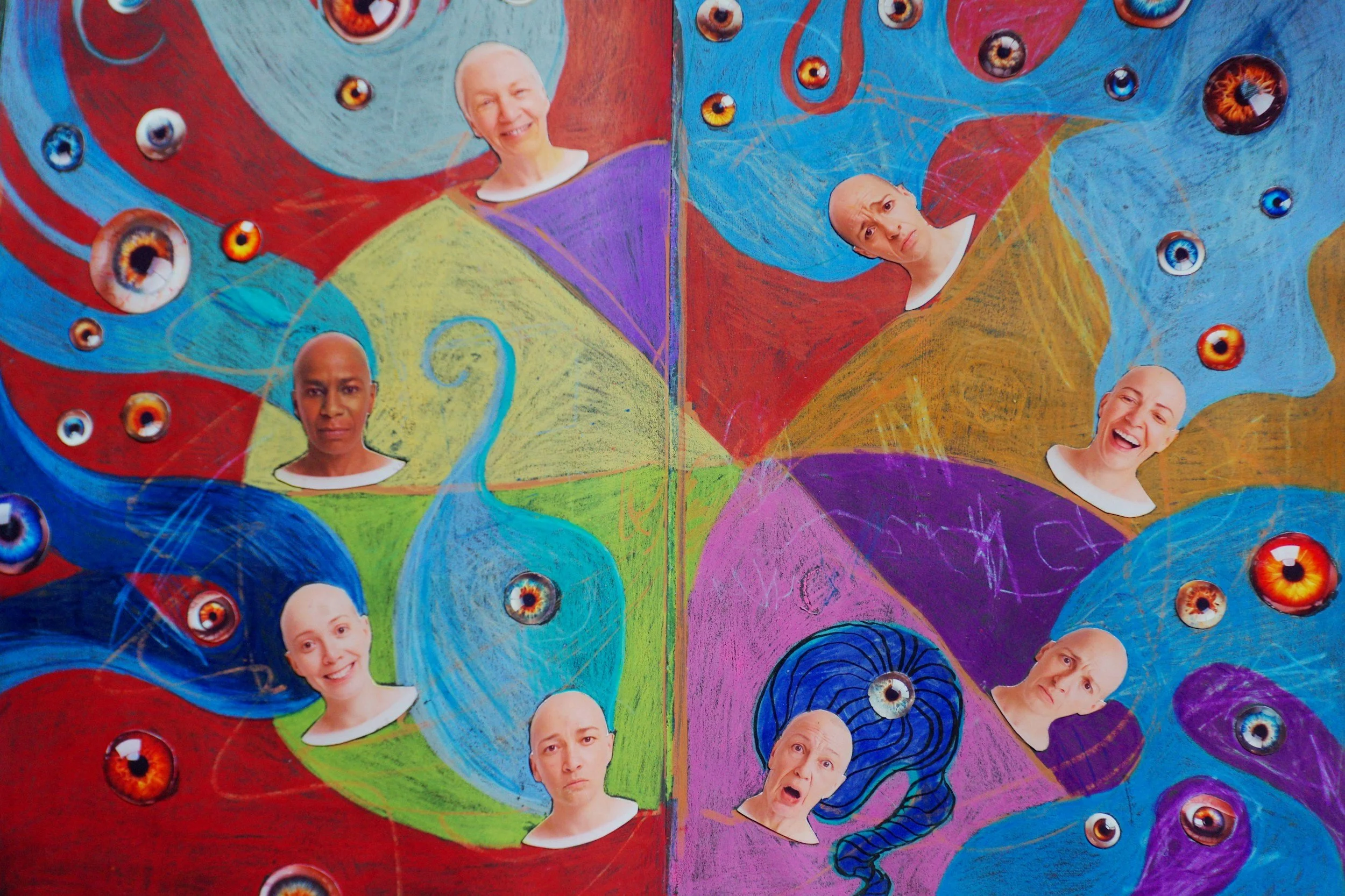
A different way of exploring thoughts and feelings
Art psychotherapy offers another way of understanding yourself.
Talking can be incredibly helpful, but sometimes words aren’t enough on their own.
This is also very supportive for neurodivergent people or those who may have a hard time communicating verbally as our sessions don’t solely rely on verbal communication.
Creative materials can help give shape to feelings, memories and experiences that might otherwise be hard to express.
And often, that’s where new insight and change can begin.
I hope you have learned more about what art making looks like within art therapy sessions and what materials you may be able to work with within sessions. If you have any questions about art therapy or art making in therapy I am an email away and open to any and all questions about art therapy :)